
asociación españonla
contra el cáncer
Project developed at O2O as part of the design team.
Rol: Lead Design Team, UX Designer, UI Designer, Researcher.
Redefining the visual ecosystem
the challenge
The Asociación Española contra el Cáncer (AECC) was undergoing a comprehensive analysis of its digital ecosystem.
Within this framework, the objective was to audit and propose strategic improvements for the 'El Observatorio' website, focusing on data visualization and user engagement.

Stakeholder Interviews
RESEARCH
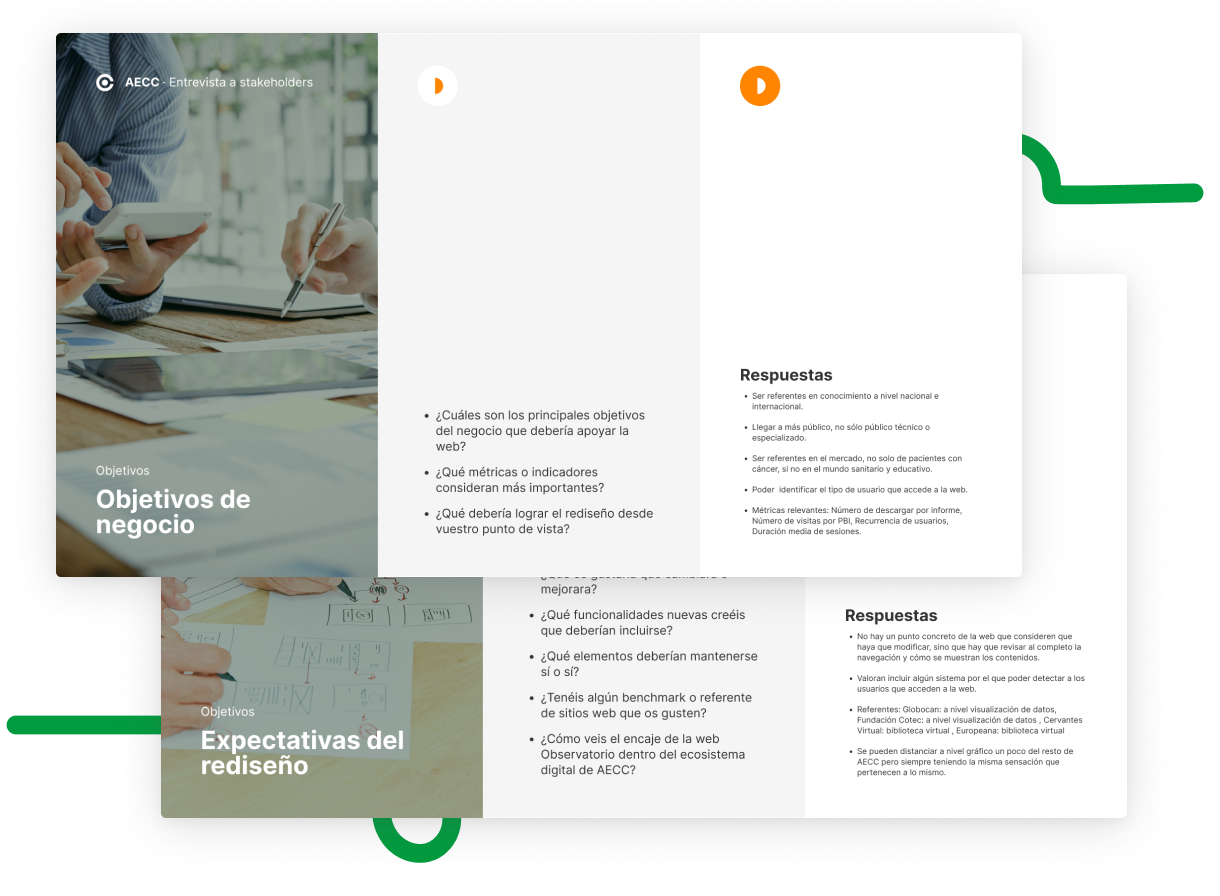
We interviewed all the key stakeholders at 'El Observatorio' to understand the needs of every part involved and identify potential technical and operational constraints.
The insights gathered allowed us to more effectively define the subsequent stages of the design process.
Heuristic Evaluation
research
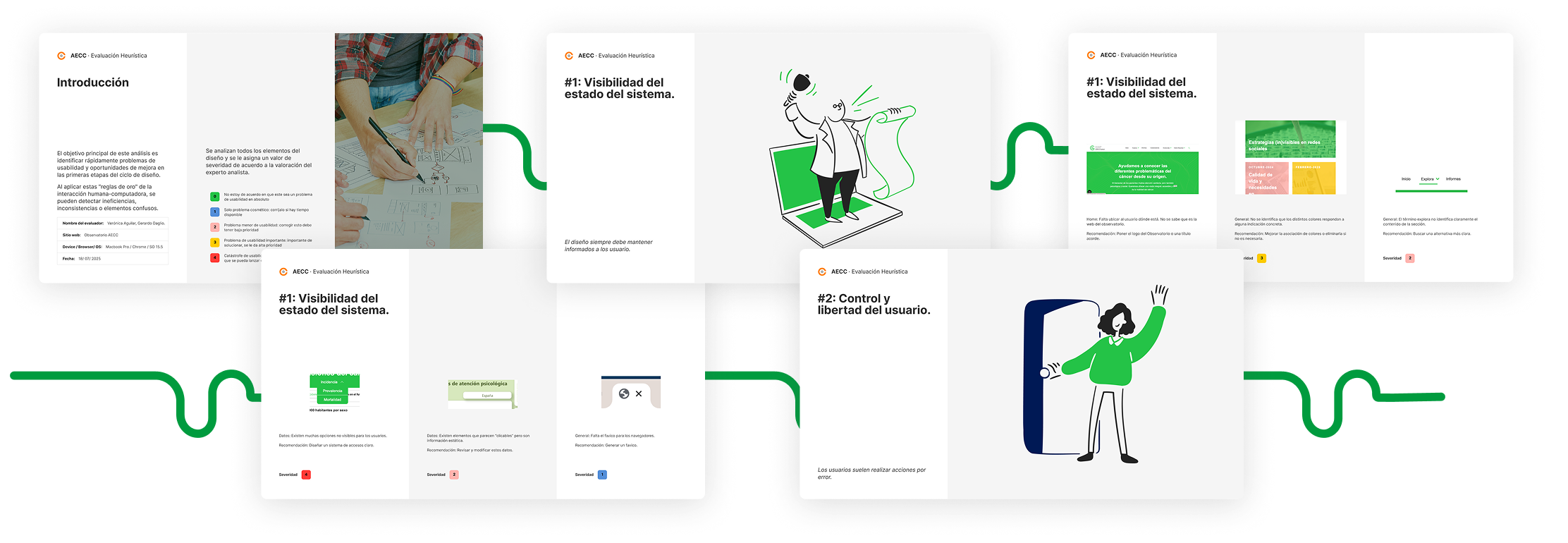
After the stakeholder interviews, we conducted a heuristic evaluation to contrast business requirements with the actual performance of the site. This dual approach allowed us to pinpoint exactly where the platform was failing its users.
benchmark
RESEARCH
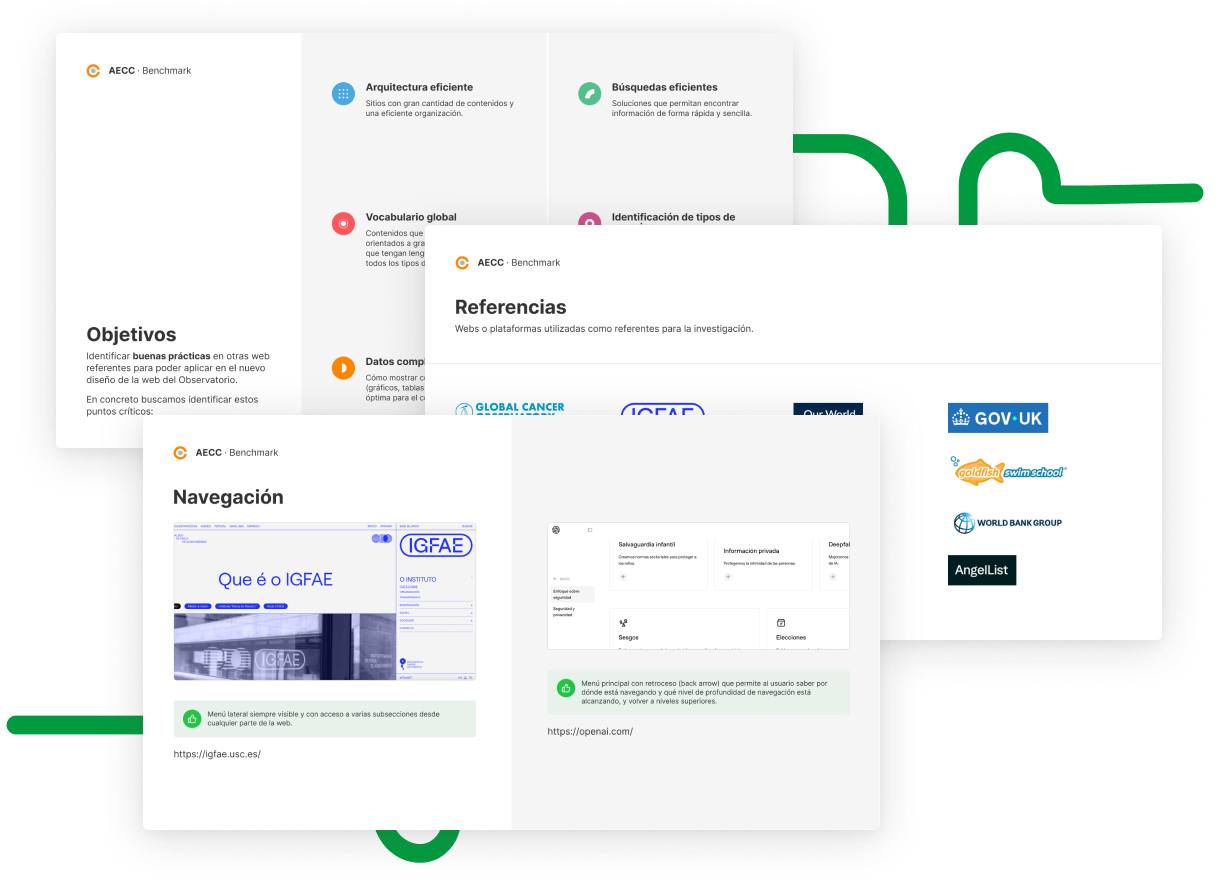
We conducted a competitive benchmark to analyze how leading data-driven platforms handle high-density information.
This research focused on identifying best practices for data visualization, complex filtering, and navigation system.
reserach
user interviews
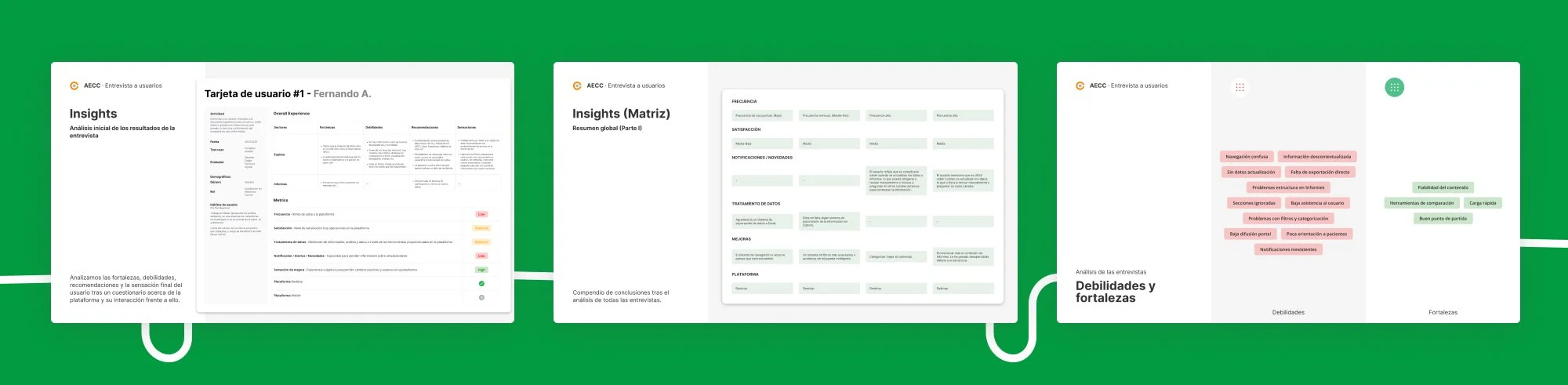
We conducted a series of user interviews to gain first-hand insights into how researchers and the general public interacted with the platform.
This allowed us to empathize with their pain points and understand the specific contexts in which they consume scientific data
first design proposal
UI design

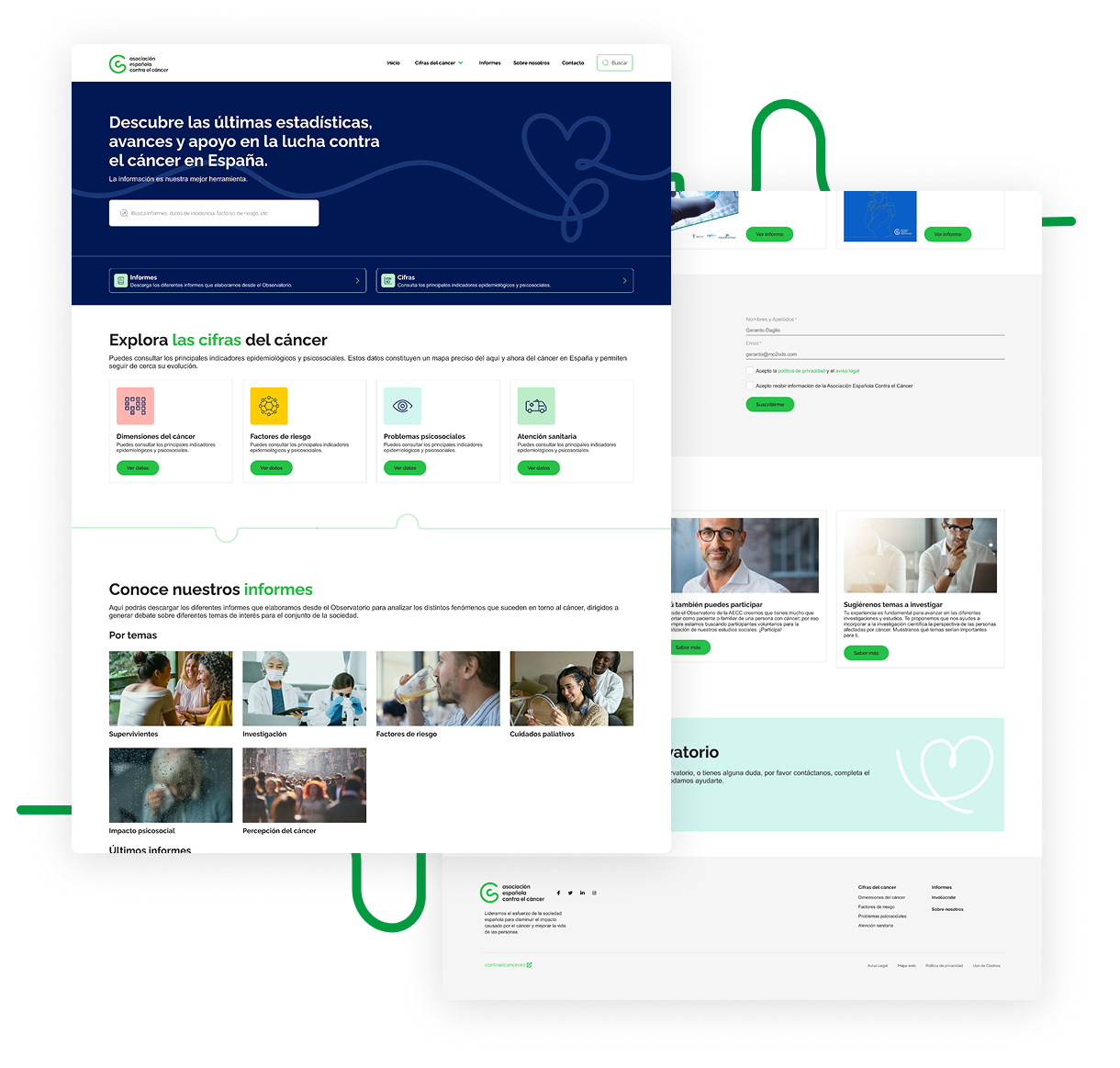
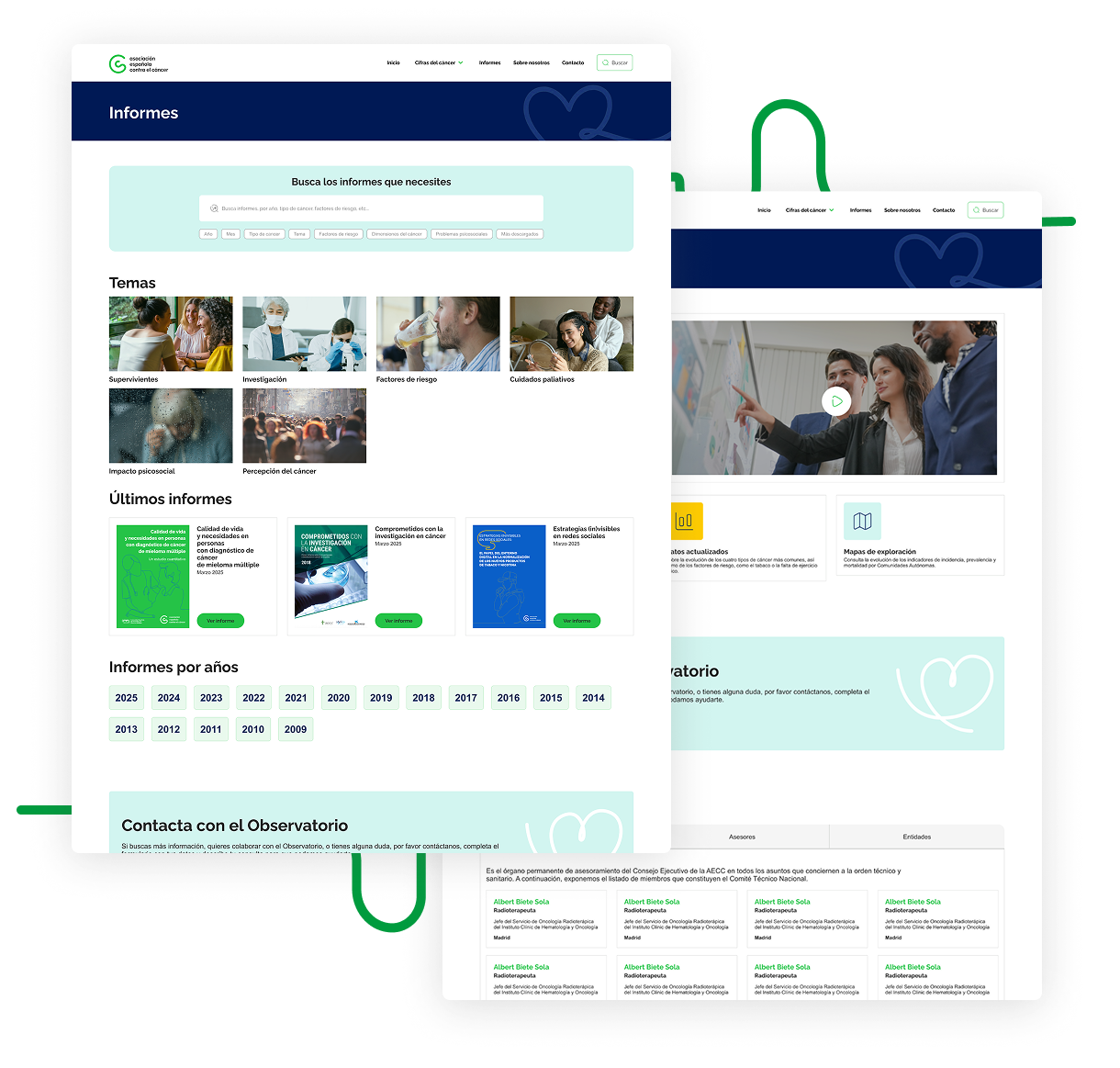
Leveraging all the insights gathered, we executed a complete redesign of the platform.
We developed a cohesive UI kit and adapted components to ensure consistency, accessibility, and a seamless user experience across all data-heavy sections.
prototyping and test
user tests
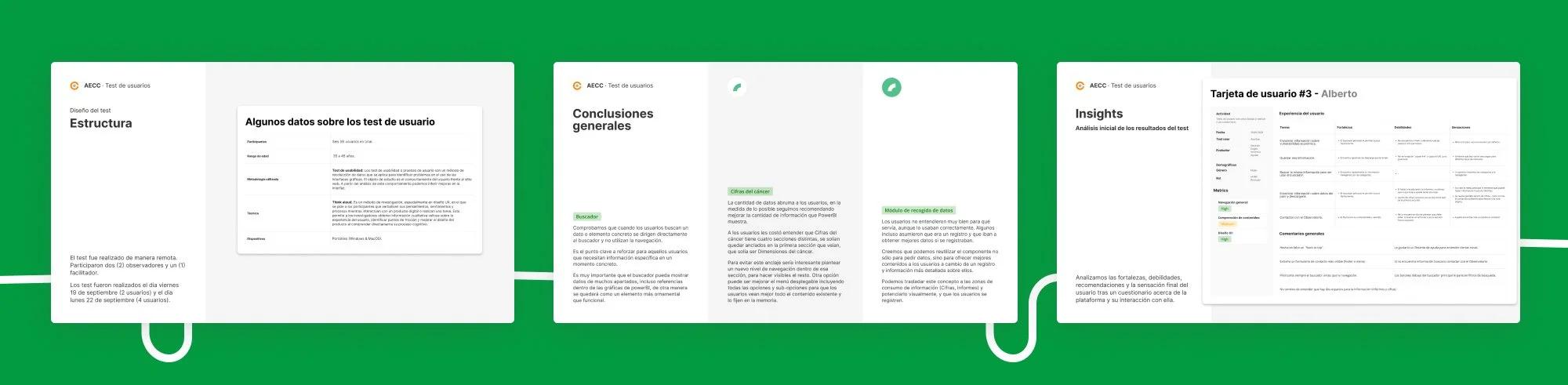
We conducted usability testing with a group of representative users to validate the new designs and identify areas for improvement. This iterative process allowed us to fine-tune the interface and ensure that the final solution was intuitive and user-ready.
Final Design Solution
UI design
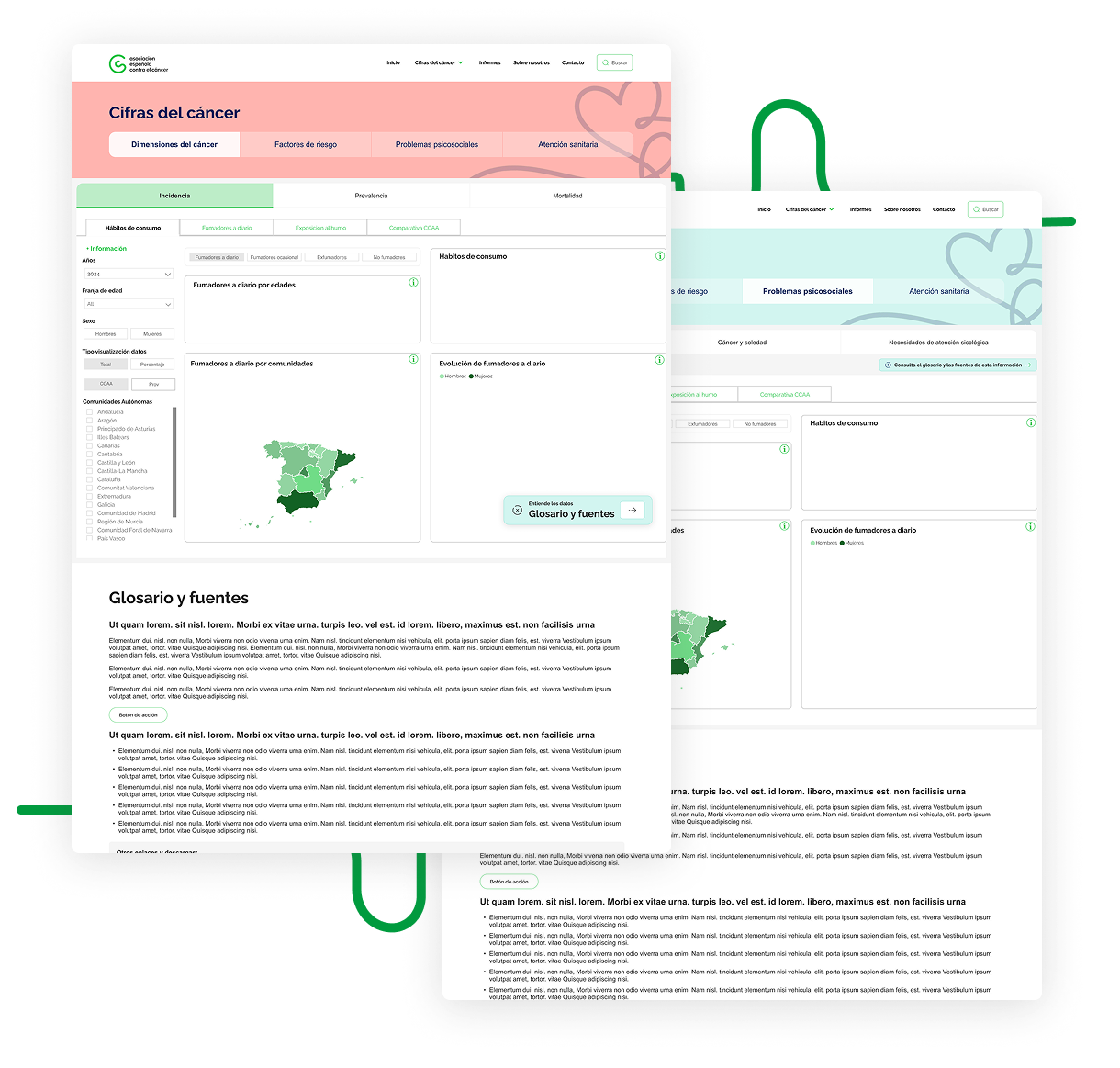
After analyzing the data from our user testing sessions, we implemented a series of improvements to further refine the user experience.
This ensured that the final interface directly addressed the usability gaps identified during the research phase.